The Art and Science of Security Camera Placement
Proper camera placement is just as important as the quality of your cameras. Even the best security system can fail if cameras are positioned incorrectly. Here's what you need to know.
Key Areas to Cover
Entry Points
Every door and window that could be used for entry should be monitored. This includes:
Front and back doors
Garage doors
Ground-floor windows
Basement access points
High-Traffic Areas
Monitor areas where people frequently pass through:
Hallways and corridors
Lobbies and reception areas
Parking lots and driveways
Loading docks
Valuable Asset Locations
Protect your most important areas:
Cash registers and safes
Server rooms
Inventory storage
Equipment areas
Camera Placement Best Practices
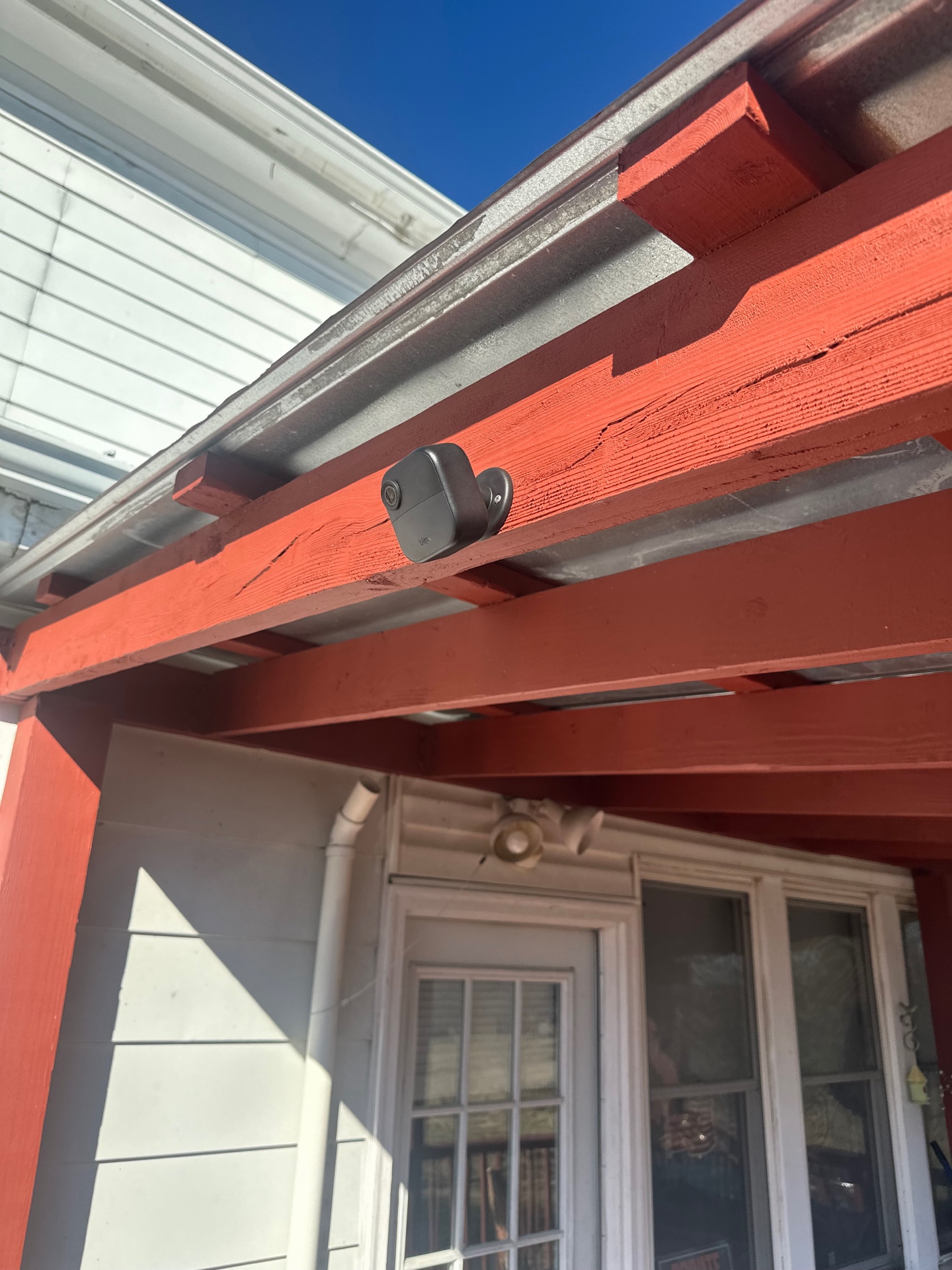
Height Matters
**Indoor cameras**: 7-9 feet high
**Outdoor cameras**: 8-10 feet high
High enough to prevent tampering, low enough for facial recognition
Avoid Backlighting
Never point cameras directly at bright light sources like windows or the sun. This creates silhouettes instead of clear images.
Consider Lighting Conditions
Use cameras with IR (infrared) capability for low-light areas
Position cameras to take advantage of existing lighting
Consider adding supplemental lighting for critical areas
Eliminate Blind Spots
Use multiple cameras with overlapping fields of view
Pay special attention to corners and alcoves
Consider 360-degree cameras for open areas
Common Mistakes to Avoid
Placing cameras too high - You'll see the tops of heads, not faces
Ignoring weather exposure - Outdoor cameras need proper housing
Forgetting about maintenance access - Cameras need occasional cleaning and adjustment
Insufficient coverage - One camera rarely covers an entire area effectively
Professional Assessment
Every property is unique. A professional security assessment can identify vulnerabilities you might miss and recommend optimal camera placement for your specific situation.
Contact Zaxx Tech Solutions for a free on-site assessment of your property's security needs.